Aluminerie Alouette, výrobce hliníku částečně vlastněný společností Rio Tinto (NYSE:RIO), plánuje investovat až 1,5 miliardy kanadských dolarů (1,1 miliardy amerických dolarů) do modernizace svých zařízení v severním Quebecu, informovala ve středu agentura Bloomberg.
Společnost uzavřela novou smlouvu o dodávkách elektřiny s Hydro-Quebec, energetickou společností vlastněnou vládou Quebecu, uvedla agentura Bloomberg s odvoláním na zdroje obeznámené s touto záležitostí, které si přály zůstat v anonymitě.
Tato investice přichází v době, kdy hliníkový průmysl čelí výzvám v souvislosti se zavedením 50% cel na dovoz zahraničního hliníku ze strany Bílého domu. Očekává se, že tato cla budou mít negativní dopad na kanadské i americké podniky, které používají hliník jako surovinu.
Modernizační projekt představuje významný kapitálový závazek pro kanadský hliníkový sektor, který se potýká s obchodními napětími na severoamerickém trhu.
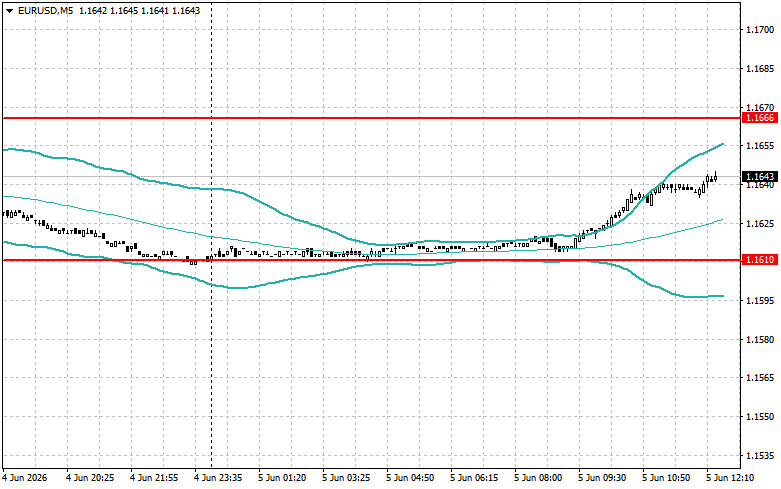
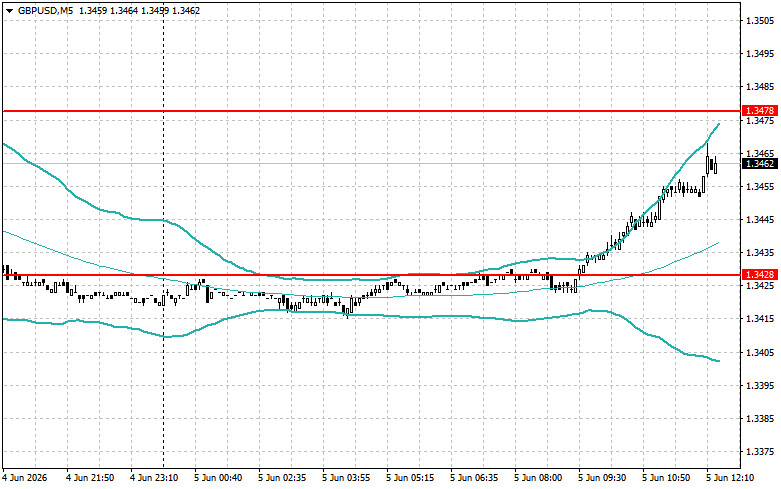
EUR and GBP were traded today using the Momentum strategy. I did not take any trades using the Mean Reversion strategy.
In the second half of the day, we will see three important U.S. reports. The most significant will be the change in Nonfarm Payrolls for May. In addition, the unemployment rate and average hourly earnings will also be released.
These labor market indicators are key to understanding the current state of the U.S. economy and, consequently, to forecasting further actions by the Federal Reserve. The change in Nonfarm Payrolls is the most closely watched report. Strong employment growth typically signals solid economic recovery and may push the Fed toward tighter monetary policy, such as interest rate hikes.
The unemployment rate, in turn, reflects the overall picture of the labor market. A decline in unemployment is traditionally considered a positive signal, but a sharp drop may indicate an overheating labor market and potential inflation growth. Finally, changes in average hourly earnings are a critical component for assessing inflation risks. Rapid wage growth can lead to increased consumer spending, which in turn may fuel inflation—something the Federal Reserve aims to avoid.
In case of strong data, I will rely on the Momentum strategy. If there is no market reaction to the data, I will continue using the Mean Reversion strategy.
Momentum Strategy (Breakout) for the second half of the day:
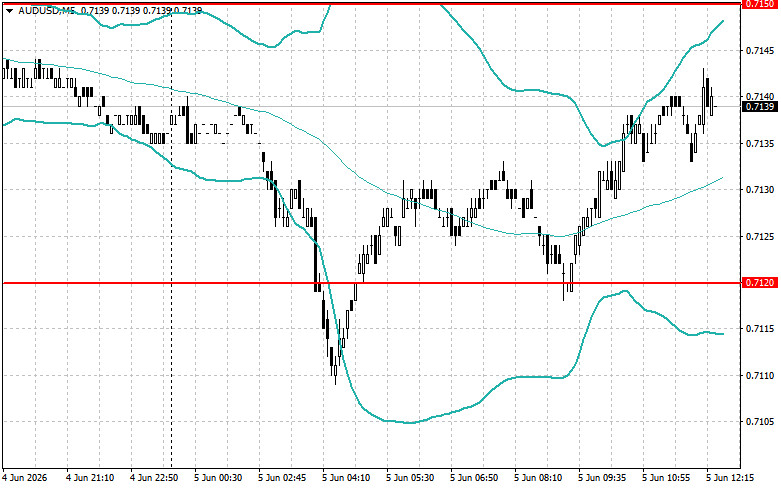
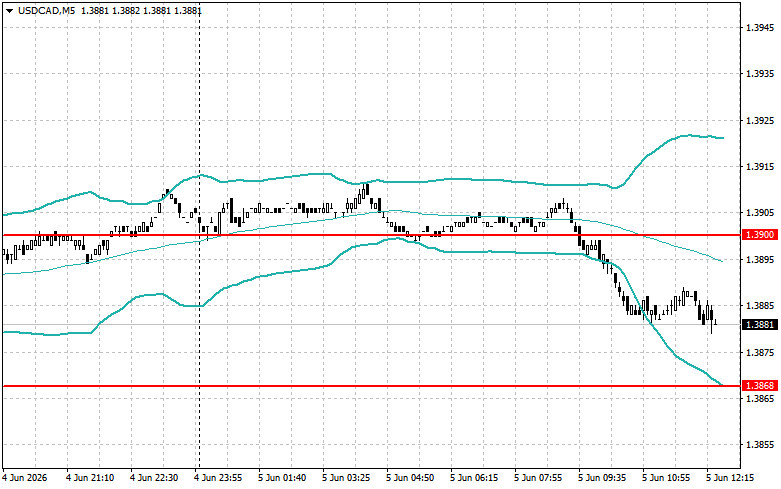
Mean Reversion Strategy (Reversal) for the second half of the day:
ລິ້ງດ່ວນ



















 ຕິດຕໍ່ພວກເຮົາ