Taiwan Semiconductor Manufacturing Co. (TSMC) zvažuje výstavbu moderní výrobní továrny ve Spojených arabských emirátech (SAE), což je rozhodnutí, které bude podle Bloombergu vyžadovat souhlas Washingtonu.
Výrobce polovodičů jedná se Stevem Witkoffem, zvláštním vyslancem USA na Blízkém východě, a představiteli MGX, investiční společnosti pod dohledem bratra prezidenta SAE. Jednání navazují na rozhovory zahájené za vlády prezidenta Joea Bidena, které byly na konci jeho funkčního období pozastaveny.
Navrhovaný projekt představuje významnou investici do gigafabriky, komplexu šesti továren podobného tomu, který TSMC staví v Arizoně. Celkové náklady na zařízení ve Spojených arabských emirátech zatím nebyly stanoveny. TSMC vyčlenila na projekt Phoenix, který zahrnuje výzkumná a balicí zařízení, 165 miliard dolarů.
Časový harmonogram potenciálního závodu ve Spojených arabských emirátech je nejistý, zasvěcenci naznačují, že k zahájení výstavby může dojít až za několik let. Rozhodnutí o pokračování závisí na souhlasu Washingtonu. Někteří vysokí úředníci z Trumpovy administrativy vyjádřili obavy ohledně dopadů expanze předního světového výrobce čipů do Perského zálivu na národní bezpečnost a ekonomiku.
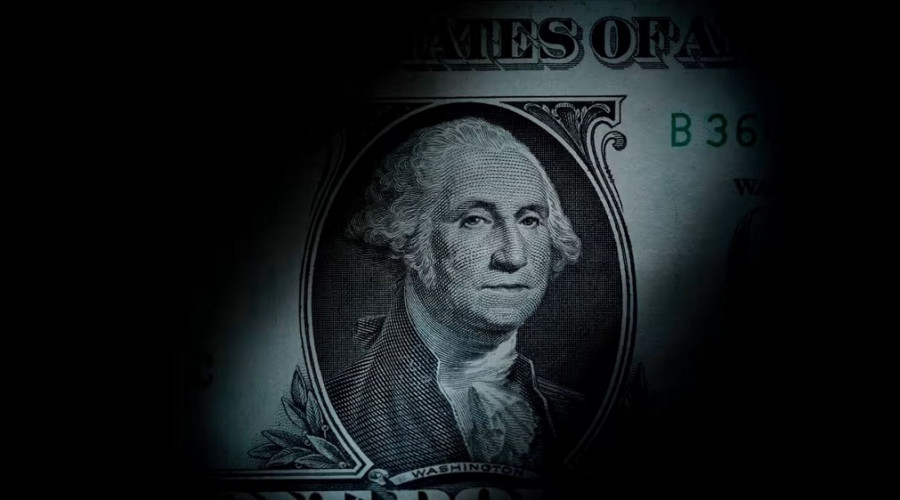
On Tuesday, the euro-dollar pair tested the 17 figure amid a broader strengthening of the US dollar. The prevailing fundamental backdrop is contributing to the further decline of EUR/USD, despite lingering uncertainty over the shutdown and Iran. Nevertheless, the dollar remains in high demand, driving the pair lower. Over just a few days, the price has decreased by almost 300 pips: a week ago, the pair was approaching the 21 figure, while Tuesday's low was 1.1783.
A significant role in the dollar's strengthening was played by the easing of "dovish" expectations about the Fed's future actions. According to the CME FedWatch Tool, the probability of a rate cut at the March meeting is only 8%. The likelihood of maintaining the status quo at the April meeting is nearly 80%. The chances of a rate cut in June are assessed as 50/50. This is particularly notable, as the June meeting will likely be chaired by Kevin Warsh (if confirmed by the Senate), who holds more "hawkish" views than Jerome Powell.
Even so, despite the "Warsh factor," market participants have revised their forecasts towards tightening for several reasons. First, US inflation (especially in the services sector) proved more resilient than previously anticipated. The labor market has proven to be more "resilient"—with no sharp increase in unemployment and steady wage growth.
Secondly, other macroeconomic indicators also support the case for maintaining a pause. For example, the ISM Manufacturing Index, released on Monday, entered the expansion zone for the first time since March last year. The indicator unexpectedly soared to 52.6 (the highest reading since August 2022), while most analysts had forecast a modest increase to 48.5. Meanwhile, the sub-index of new orders surged to 57.1 (the highest since February 2022), and the production sub-index reached 55.9. Positive dynamics were also displayed in the backlog of orders and export orders.
Of course, the report has its "flaws." For instance, the employment sub-index remained in the contraction zone (48.1), indicating that production is growing without a noticeable increase in jobs. The Prices Paid component was disappointing: persistent high price pressure on input materials increases the risk of margin compression in the manufacturing sector.
Overall, dollar bulls reacted positively to Monday's release. The ISM Manufacturing Index provided further support for the Fed's wait-and-see stance.
By the way, on Wednesday, the ISM services activity index will be released, which could provide additional support for the dollar if it lands in the "green zone." The ISM Services Index has shown positive dynamics over the past three months, reaching 54.4 (the highest since October 2024). Most analysts forecast a slight decrease to 53.6 in January. However, if the index rises again (i.e., exceeds the target of 54.4), the dollar will enjoy increased demand.
Other fundamental factors are still in limbo. For example, the "Iran case" presents a conflicting situation. Donald Trump continues to threaten Iran, while also engaging in negotiations with representatives from Tehran. It is currently known that US special representative Steven Witkoff and Trump's son-in-law, Jared Kushner, will meet on Friday with Iranian Foreign Minister Abbas Araghchi. Thus, it can be said that Tehran has received a "reprieve" from an American strike at least until February 6. However, the effectiveness of the negotiations remains an open question. Trump demands that Tehran abandon its nuclear program, while the Iranian side is prepared to negotiate on entirely different terms. In particular, Iranian representatives have stated that they will not allow the export of enriched uranium currently in the country. The Islamic Republic seems open to some compromises—but apparently not the ones the White House is hoping for. The intrigue remains.
As for the shutdown, it is likely to end this week, today or tomorrow. Last Friday, the Senate approved a funding package to extend government operations. The matter remains with the House of Representatives, whose members did not have time to approve the achieved compromise. It is likely that this will happen either today or on Wednesday.
From a technical standpoint, the pair is currently positioned between the middle and lower lines of the Bollinger Bands indicator and below all lines of the Ichimoku indicator, suggesting a preference for short positions. The first target for the downward movement is the level of 1.1750, which corresponds to the lower Bollinger Bands line on the H4 timeframe (and simultaneously the middle Bollinger Bands line on the D1 timeframe). The main target is located at the level of 1.1700 (the upper boundary of the Kumo cloud on the daily chart).
LINKS RÁPIDOS



















 Contate-nos