Nomura Holdings, největší japonská investiční banka a makléřská společnost, se navzdory nedávné volatilitě trhu zavázala k růstu svého podnikání ve Spojených státech, uvedl v pátek její generální ředitel.
Oznámení rozsáhlých celních opatření v dubnu vyvolalo turbulence na trzích a vedlo některé investory k prodeji amerických aktiv, protože zpochybňují finanční dominanci a bezpečnost USA.
„Ačkoli lze říci, že Amerika je epicentrem tržní volatility související s globálními jednáními o clech, USA jsou nejdůležitější oblastí bohatou na obchodní příležitosti,“ uvedl generální ředitel Kentaro Okuda na akci pro investory v Tokiu.
Podle prezentace pro investory tvořil americký trh 14 % příjmů Nomury před zdaněním v roce končícím březnem 2025.
Vedení Nomury se dlouhodobě snaží etablovat banku jako globálního hráče a v dubnu oznámilo akvizici americké a evropské divize správy veřejných aktiv australské společnosti Macquarie Group (OTC:MQBKY) za 1,8 miliardy dolarů, což je dosud největší akvizice v historii společnosti.
Některé předchozí akvizice však měly smíšené výsledky, jako například nákup některých aktiv od Lehman Brothers v roce 2008, které společnost později odepsala.
Ačkoli americký trh zůstane z dlouhodobého hlediska atraktivní, Nomura může těžit z jakéhokoli odklonu od amerických aktiv, uvedl na akci Christopher Willcox, vedoucí velkoobchodu a předseda divize správy aktiv.
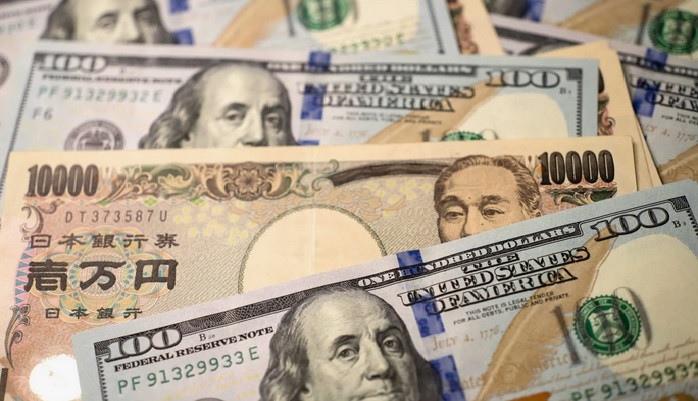
On Tuesday, the yen is only modestly correcting against the weakened US dollar amid the political uncertainty preceding the February 8 elections in Japan.
Additional pressure arises from fiscal risks associated with Prime Minister Sanae Takaichi's reflation agenda, while sustained risk appetite limits demand for the safe-haven yen. However, the combination of factors prevents deeper losses for the Japanese currency.
Comments from Japan's Minister of Finance, Satsuki Katayama, have revived fears of a joint currency intervention by the US and Japan, which, along with expectations of a more hawkish stance from the Bank of Japan, are supporting the yen. On Tuesday, Katayama emphasized the readiness for close coordination with US authorities, referencing a joint statement from the two countries made last September, and stated the intention to respond to excessive market movements if necessary.
At the same time, Katayama defended Prime Minister Takaichi's comments on Monday about the benefits of a weak yen, noting they were discussed in the broader context of the currency's impact on the economy. Additionally, the report released on Monday from the January meeting of the Bank of Japan indicated growing price pressures caused by the yen's weakness, further highlighting the hawkish leanings among BoJ board members.
On the fiscal front, Takaichi promised to suspend the consumption tax on food products for 2 years if the Liberal Democratic Party wins the early elections, heightening investor concerns about Japan's long-term financial sustainability. External factors are also working against demand for safe assets. On Monday, US President Donald Trump announced a trade agreement with India and upcoming mutual tariff reductions, which are supporting risk-sensitive assets and limiting the yen's safe-haven strength.
Additionally, risk assets received support from a decrease in tensions between the US and Iran regarding the nuclear program, which puts pressure on safe-haven assets.
On the dollar side, monetary policy expectations remain in focus: Trump has nominated former Fed President Kevin Warsh to replace Jerome Powell, whose term ends in May. Warsh is known for advocating a tight monetary policy, and there are suggestions that he will remain vigilant if inflation expectations rise.
From a macro data perspective, Monday's release of the ISM Manufacturing Index showed the first year-on-year growth in US manufacturing activity: January's PMI in manufacturing rose to 52.6 from 47.9 the previous month, signaling a marked recovery in the sector. This helps the dollar maintain its recent strength after hitting a four-year low last week and is likely to limit the scale of the downward correction in the USD/JPY pair, suggesting caution for bears.
On Tuesday, no significant macroeconomic indicators are expected from the US that could provide new momentum for the market. Against the backdrop of a mixed fundamental landscape and conflicting drivers—ranging from political and fiscal risks in Japan to US monetary expectations—it is advisable to exercise moderate caution when opening new directional positions in USD/JPY.
From a technical perspective, the pair has found support at the 9-day EMA in attempts to break the round level of 156.00. If the price can break through this level while overcoming the 50- and 20-day SMAs, bulls will have a chance to take control of the market. However, as oscillators on the daily chart remain in the negative zone, the pair's path of least resistance is likely downward. It is also worth noting that oscillators are close to neutrality, leaving the door open for bulls.

RÁPIDOS ENLACES



















 Contáctenos