
Global markets hit fresh records, with S&P 500 futures rising by 0.3%, while Europe's Stoxx 600 and the global MSCI ACWI also reached all-time highs. Support came from surging interest in the AI sector (particularly chipmakers), strong corporate earnings, and easing pressure from rising yields and energy prices.
An additional factor is expectations of a US-Iran deal on the Strait of Hormuz, which is easing pressure on the oil market, with Brent trading around $80 per barrel and reaching $80.11. 10-year Treasuries held near 4.61%, while gold rose by approximately 2.1–2.2% to $4,163 per ounce. With oil returning to the $75–80 range, investors may refocus on resilient fundamentals and liquidity, which bodes well for risk assets. Follow the link for more details.

The diplomatic standoff over the Strait of Hormuz has entered a decisive phase, with US officials speaking of a real possibility of soon reopening the route, while Tehran categorically denies direct negotiations with Washington. Optimistic forecasts about a swift deal are emerging from Washington, though cautions remain that no final agreement has yet been reached, and Iranian officials again insist that contacts occur only through intermediaries.
According to media reports and participants in the process, negotiations involving Oman and Qatar have reached an advanced stage. The proposal includes separating shipping lanes—inbound vessels passing northward (along Iran) and outbound vessels southward, closer to Oman—along with introducing "service fees," with revenues to be split equally. Washington is reportedly prepared to support the joint management plan as a temporary measure, while Tehran demands the lifting of the naval blockade, sanctions relief, and recognition of its right to levy maritime tolls. Follow the link for more details.
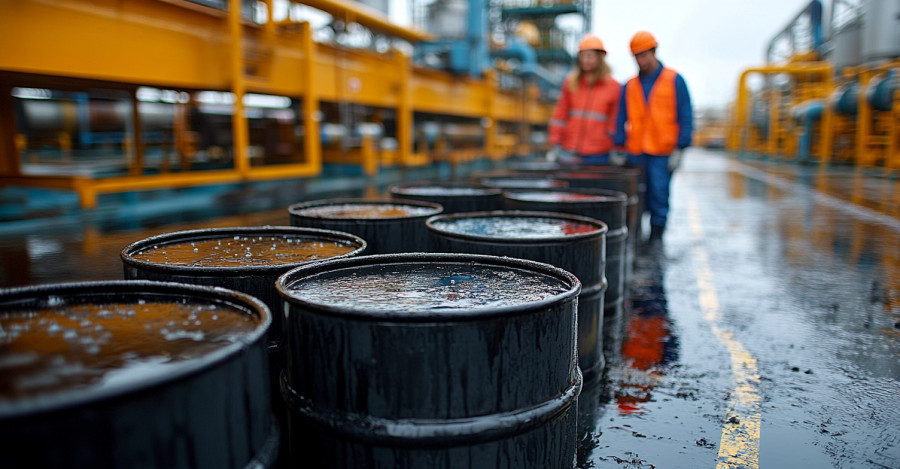
Iran and Oman have agreed on a temporary shipping route through the Strait of Hormuz for a period of 2-4 months, with a possible extension. At the same time, the two previous corridors are being closed, while Tehran sets "special conditions" tied to US behavior. According to Axios, the United States, Iran, and Oman are close to a 60-day arrangement on free passage, with Donald Trump promising a "breakthrough" within the next 48 hours. Against the backdrop of signals and hopes for an imminent reopening of the strait, Brent crude prices fell below $80 per barrel, despite renewed Houthi attacks.
Iran's strategy of using the strait as a pressure tool has severely damaged its own economy, with the IMF forecasting a 6% GDP contraction in 2026, inflation around 69%, and fuel shortages. Oil exports from the Persian Gulf have fallen to roughly 36% of pre-war levels, while prices remain below $100, largely due to market oversupply and a sharp drop in Chinese purchases by 4-5 million barrels per day. Asian buyers have been actively drawing down inventories rather than signing new contracts. If Beijing begins rebuilding reserves, this would create significant additional demand in an already constrained market. Follow the link for more details.
HIZLI BAĞLANTILAR
show error
Unable to load the requested language file: language/turkish/cookies_lang.php
date: 2026-09-18 01:15:43 IP: 172.18.0.1

















 Bize Ulaşın