Evropské akciové trhy zažily ve středu výrazný růst, podpořený rostoucím optimismem ohledně globálních obchodních vztahů a povzbudivými firemními výsledky. Katalyzátorem pozitivního sentimentu byla především nově oznámená obchodní dohoda mezi Spojenými státy a Japonskem, která nejen zvedla asijské indexy, ale také posílila důvěru investorů v Evropě. V ranních hodinách středoevropského času vzrostl německý index DAX o 0,8 %, francouzský CAC 40 o 1,3 % a britský FTSE 100 o 0,4 %, čímž navázaly na silný výkon tokijského indexu Nikkei.
Americký prezident Donald Trump oznámil, že jeho administrativa uzavřela „masivní dohodu“ s Japonskem, podle které bude Tokio platit 15% clo na vývoz do USA. I když je to méně než původně navržených 25 %, stále jde o změnu, která neodpovídá dřívějším snahám Japonska o úplné osvobození od amerických cel. Důležitou součástí dohody je také japonská investice ve výši 550 miliard dolarů do USA, přičemž Trump uvedl, že „USA z toho získají 90 % zisků“.
I přes některé výhrady trh dohodu přijal jako pozitivní krok k uvolnění globálních napětí. Index Nikkei vzrostl o více než 3 % na roční maximum, a investoři nyní doufají, že podobná dohoda by mohla být brzy dosažena i mezi USA a Evropskou unií, která má své zástupce vyslat do Washingtonu na klíčová jednání před plánovaným srpnovým termínem pro zavedení dalších cel.

Na pozitivní vlně se svezly i evropské společnosti, mezi nimiž zazářila italská UniCredit, která oznámila výrazně vyšší než očekávaný zisk za čtvrtletí a navíc zvýšila výhled ziskovosti až do roku 2025. Tento krok přišel hned poté, co banka stáhla svou nabídku na převzetí konkurenční Banco BPM, což bylo vnímáno jako krok směrem k větší samostatnosti a soustředění na organický růst.
Generální ředitel Andrea Orcel zdůraznil, že prioritou banky zůstává tvorba hodnoty a odolnost vůči tržním výkyvům. Tento postoj byl trhy přijat pozitivně, což se promítlo i do ceny akcií UniCredit, která po oznámení výsledků posílila.
Kromě UniCredit přinesla svá čísla i řada dalších významných evropských společností. Francouzská automobilka Renault vykázala nulový růst tržeb ve druhém čtvrtletí, protože slabší poptávku po dodávkových vozech v Evropě vyrovnal nárůst prodejů osobních automobilů. Thales, specialista na obranu a letectví, zvýšil svou prognózu tržeb do roku 2025, podpořen růstem vojenských výdajů v Evropě.
Norský energetický gigant Equinor zaznamenal 13% pokles zisku oproti předchozímu roku kvůli poklesu cen ropy, který převážil nad mírným růstem cen plynu. Naopak německý SAP potěšil trhy solidními výsledky, i když nezměnil celoroční cíle, což mírně zklamalo některé investory.
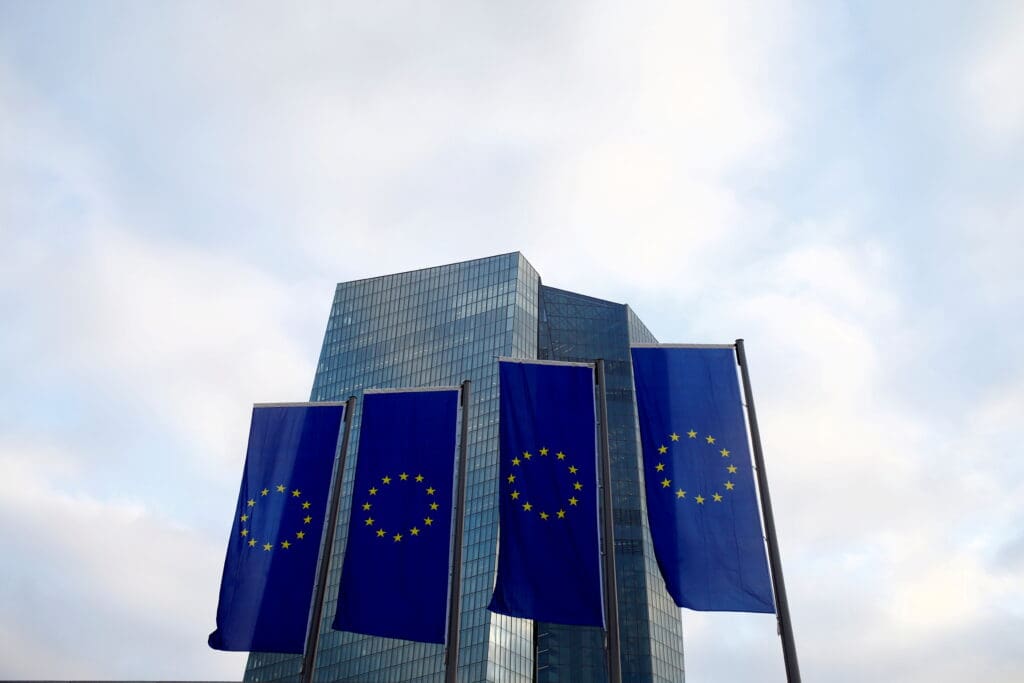
Ve čtvrtek se pozornost investorů přesune k Evropské centrální bance (ECB), která bude rozhodovat o úrokových sazbách. Po předchozím snížení sazeb o 25 bazických bodů analytici očekávají, že ECB ponechá základní sazbu na úrovni 2 %. Ve středu bude rovněž zveřejněn index spotřebitelské důvěry v eurozóně za červen, který může naznačit, zda spotřebitelé v regionu vnímají ekonomický vývoj pozitivně.
Na druhé straně Atlantiku budou trhy sledovat výsledky technologických gigantů Tesla a Alphabet, mateřské společnosti Googlu. Obě firmy patří mezi tzv. „Magnificent Seven“ – akcie, které v posledních měsících táhly americké indexy vzhůru, především díky optimismu kolem umělé inteligence.
Obchodní optimismus se odrazil také na trhu s ropou. Futures na ropu Brent vzrostly o 0,2 % na 68,74 USD za barel a americká WTI o 0,3 % na 65,48 USD za barel. Trh reagoval nejen na zprávy o obchodní dohodě, ale i na nečekaný pokles zásob ropy v USA, který dosáhl 577 000 barelů, což je ostrý kontrast k předchozímu nárůstu o 19,1 milionu barelů. Tento vývoj podporuje očekávání zvýšené poptávky po pohonných hmotách během letní cestovní sezóny.
Celkově lze říci, že středeční obchodování v Evropě bylo charakterizováno silným sentimentem, růstem důvěry a pozitivními zprávami jak z firemního sektoru, tak z oblasti mezinárodního obchodu. Ačkoliv řada nejistot zůstává, investoři se momentálně přiklánějí k optimismu – a trhy to dávají jasně najevo.

The EUR/USD pair has started the new trading week rather calmly, without a downward gap or sharp drops. This seems unexpected, given the significance of Friday's events and the new escalation in the Middle East. Moreover, buyers of EUR/USD are currently trying to seize the initiative, keeping the pair above the key support level of 1.1580 (the middle Bollinger Bands line on both the D1 and W1 timeframes).
All of this suggests that the geopolitical agenda — at least in its current form — can no longer exert decisive influence on the dynamics of the greenback and, consequently, on the EUR/USD pair.
On Sunday, the United States struck Iran for the first time since the end of July, after which Tehran attacked U.S. bases in Jordan. According to media reports, American forces struck two missile installations on Larak Island in the Strait of Hormuz, stating that the Iranian military was preparing to use these missiles to disrupt shipping. Almost immediately, Tehran responded by attacking American facilities in Jordan.
Thus, the parties exchanged strikes once again, particularly in the strategically important Strait of Hormuz. One might expect such a scenario to become a powerful driver for demand for the dollar as a traditional safe haven. However, the currency market, as evidenced by the movement of EUR/USD, is not hurrying to draw conclusions. In contrast, the oil market reacted more straightforwardly: Brent crude rose nearly 5% at one point, exceeding the psychologically significant $90 mark. This is quite understandable given the importance of the Strait of Hormuz for the transportation of "black gold."
The EUR/USD pair, on the other hand, shows noticeably greater resilience to stress. In my opinion, this is largely due to differing interpretations of the events taking place. The oil market responds directly to the threat of supply disruptions, while the currency market attempts to assess the prospects of the conflict itself. To date, the exchange of strikes is perceived by traders as another element of pressure, a "raising of stakes", and bargaining ahead of a potential negotiation round through mediators. Moreover, the diplomatic channel is not completely closed, and the current escalation remains somewhat limited.
Additionally, the greenback faces another potential issue unrelated to geopolitics. Important macroeconomic reports will be released in the United States in the coming days, which could significantly alter expectations regarding further actions by the Federal Reserve. These include the ISM indexes (first in the manufacturing sector, then in the services sector), the JOLTS data, the ADP report, and finally, the NFP.
Given recent events, the U.S. labor market may become the main test for the dollar. If the August Nonfarm Payrolls reflect the trajectory of July's report (which showed a 23,000-job reduction in employment and a decline in the labor force participation rate), the greenback will face significant pressure. Even despite Kevin Warsh's unexpectedly hawkish speech at Jackson Hole on Friday.
Yes, on the one hand, the Fed chair emphasized ongoing inflation risks, thereby amplifying hawkish expectations for the central bank's future actions. However, there is also an important caveat. Warsh made it clear that "all options are on the table," and the final decision will depend on incoming data.
This is a crucial stipulation — if Nonfarm Payrolls again demonstrate cooling in the labor market, and ISM indexes simultaneously show the first signs of slowing business activity, Friday's rhetoric from Warsh could turn against the greenback.
In effect, the Fed chair left the door open to any scenario, emphasizing that the central bank's future decisions depend on incoming economic data. When looking solely at the inflation component, this statement indeed works in the dollar's favor: persistent price pressures strengthen arguments for tighter policy. However, if weak labor market data and signs of slowing economic activity are added to this, the balance of risks shifts in the opposite direction. In that case, this data will indicate not only the need to fight inflation but also the necessity to consider risks to employment and economic growth.
All this suggests that the bearish scenario for the EUR/USD pair has clearly stalled. The spike in geopolitical tensions did not help the dollar. In contrast, the duality of Warsh's rhetoric and the approach of significant macroeconomic releases exerted slight pressure on the greenback, allowing buyers to attempt to counterattack. The key support level for EUR/USD remains at 1.1580 (the middle Bollinger Bands line on both D1 and W1): as long as the pair holds above this level, the bearish scenario remains unconfirmed. Accordingly, short positions should only be considered after a confident break below this level. Otherwise, there is a high probability that EUR/USD will return to the 1.1640–1.1680 range, where the pair traded for almost the entire past week.
HIZLI BAĞLANTILAR
show error
Unable to load the requested language file: language/turkish/cookies_lang.php
date: 2026-09-02 07:20:38 IP: 172.18.0.1












 Bize Ulaşın