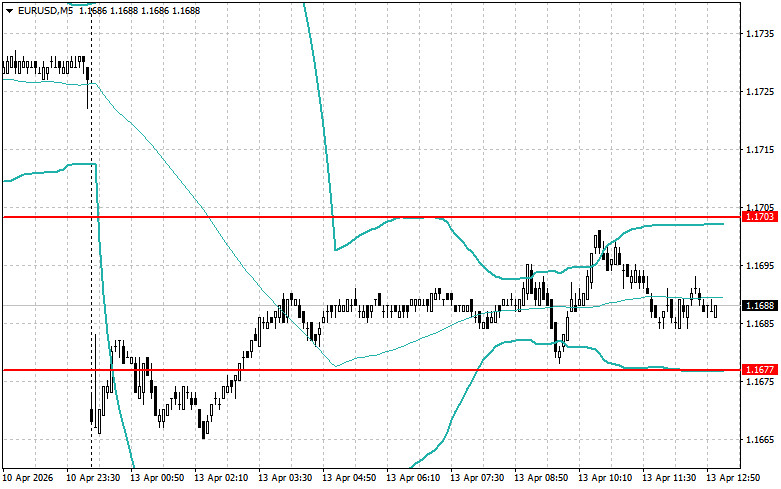
Today, only the British pound could be traded using the Momentum strategy. There was also a suitable Mean Reversion setup for the Australian dollar, but the expected reversal never materialized.
Volatility in the currency market leaves much to be desired. Traders accustomed to dynamic trading have found themselves at a disadvantage. Their strategies, built on quick reactions to news, failed to deliver the expected profits, as sellers seemed to disappear after reacting to the news of the failed U.S.–Iran negotiations. Attempts to find hidden trends in minor price movements were doomed to fail.
Next, we have the U.S. Existing Home Sales report, which is unlikely to have a strong impact on the market. Although this data is an important indicator of the health of the U.S. economy, in the current environment it will likely take a back seat to more significant events. Nevertheless, analysts will closely monitor any deviations from forecasts, as they may provide indirect clues about consumer sentiment and the overall economic climate.
Another important event will be the meeting of the International Monetary Fund. It will be particularly interesting in the context of geopolitical developments in the Middle East, especially the conflict between the U.S. and Iran. Amid rising tensions in the region, any statements or consultations within the IMF framework could significantly impact global financial markets, especially energy prices. The meeting is expected to address issues related to restoring stability in affected regions, as well as measures to mitigate the economic consequences of the conflict.
If the data is strong, I will rely on the Momentum strategy. If the market does not react to the data, I will continue using the Mean Reversion strategy.
Momentum Strategy (Breakout) for the Second Half of the Day
For EUR/USD:
For GBP/USD:
For USD/JPY:
Mean Reversion Strategy (Pullback) for the Second Half of the Day
For EUR/USD:
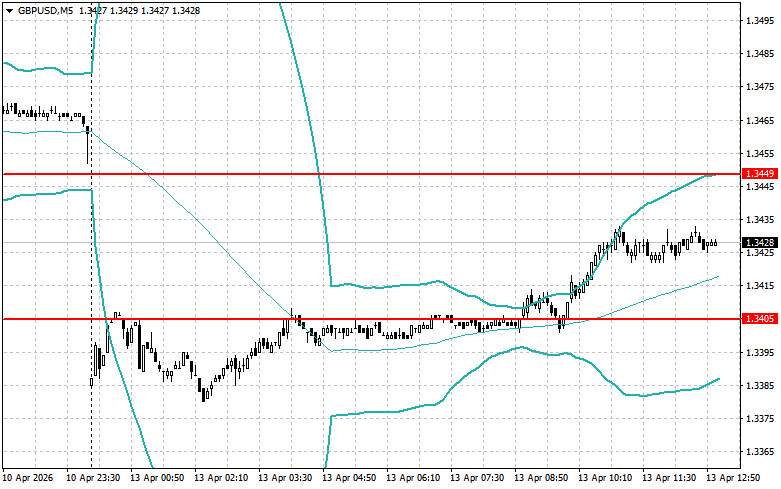
For GBP/USD:
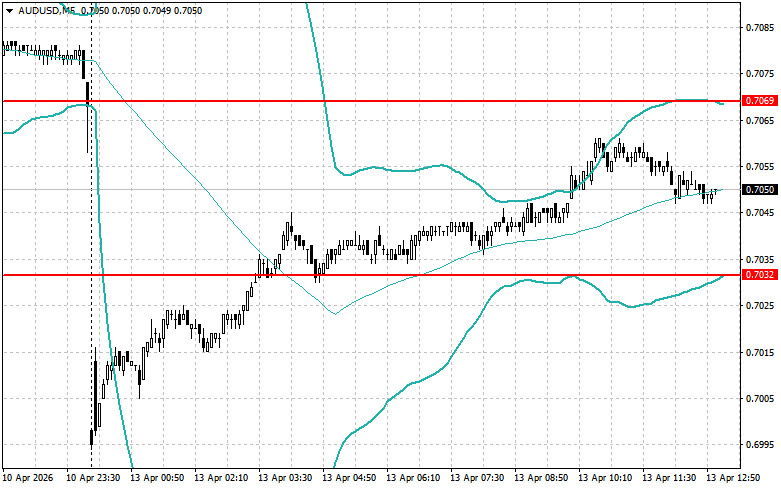
For AUD/USD:
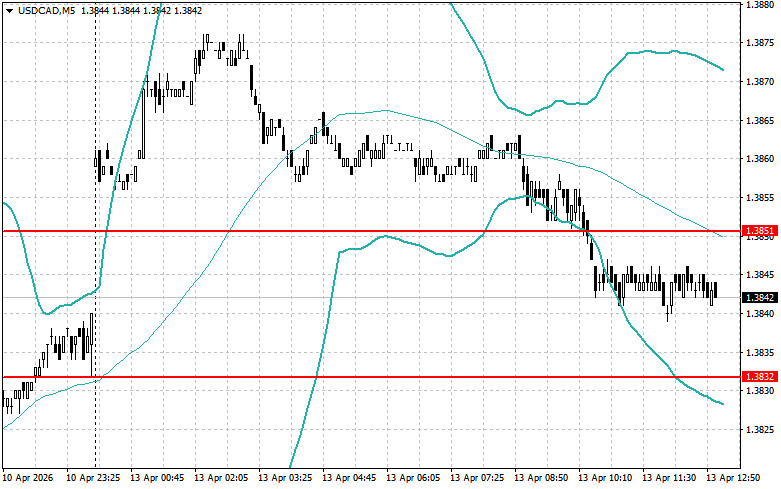
For USD/CAD:

RYCHLÉ ODKAZY




















 Kontaktujte nás