Many positive factors have been factored into the EUR/USD quotes, and the primary currency pair is vulnerable to a correction towards fair value at 1.165. This view is supported by Credit Agricole, which uses bond yield spreads, the ratios of European and U.S. stock markets, and central bank rate differentials to find equilibrium points. The euro has indeed stabilized against the U.S. dollar amid the ceasefire in the Middle East and the European Central Bank's reluctance to raise rates.
"Buy the rumor, sell the fact." This is true not only for news from the economic calendar or the corporate earnings season. Investors bought into rumors about the U.S. and Iran's readiness to negotiate. Now that Bloomberg insiders are reporting the parties' intention to extend the ceasefire agreement for another two weeks, there is little sense in buying more. Some investors are locking in profits, which is causing EUR/USD to retreat.
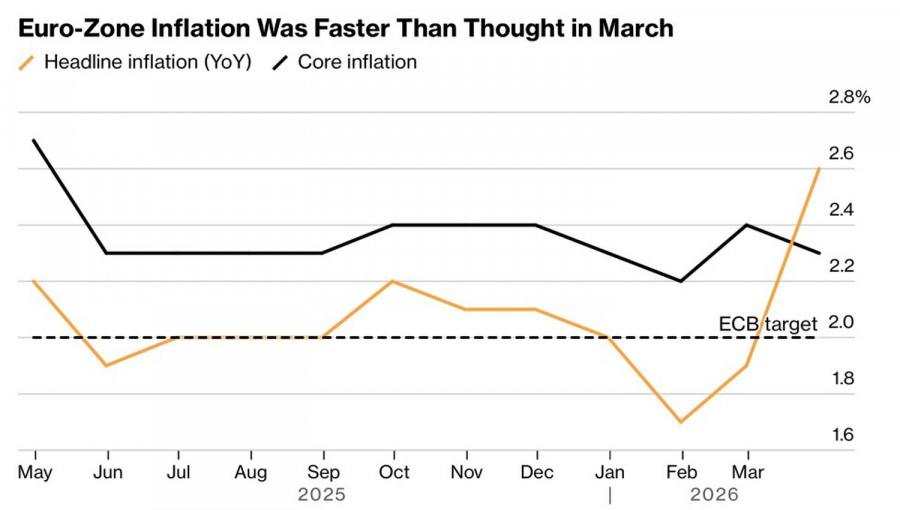
The upward revision of consumer prices in the Eurozone for March to 2.6% did not help the euro. Christine Lagarde, Joachim Nagel, and other ECB officials assert that the currency bloc's economy has taken a path between a baseline and an unfavorable scenario. The latter envisions inflation accelerating to 4.2%. This rhetoric was expected to strengthen the hawks' positions and prompt the central bank to tighten monetary policy in April.
In reality, this is unlikely to happen. Bloomberg insiders say the Governing Council is not inclined to adjust monetary policy at the upcoming meeting. According to officials, tight funding conditions are restraining inflation and inflation expectations. It is better to wait and see how events unfold in the Middle East rather than rush into raising rates.
The futures market predicts that the Fed will not change the federal funds rate in 2026, while the ECB is expected to raise the deposit rate twice. The theoretical narrowing of the differential should play in favor of EUR/USD. However, if expectations regarding the ECB's decisions shift from April to a later period, some traders may lock in profits on the euro. Hence, the stabilization of the main currency pair at current levels.
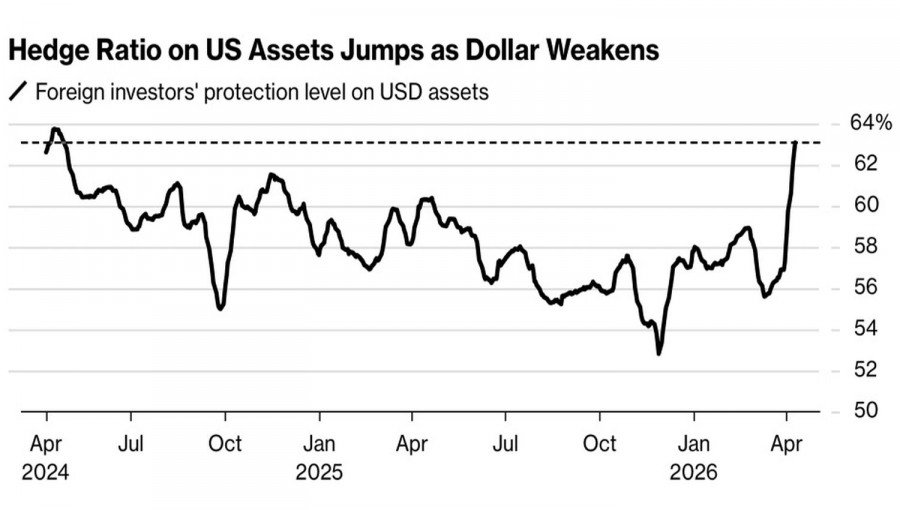
Ongoing rallies in stock indices are putting pressure on the U.S. dollar. Foreign investors are increasing their hedging of investments in U.S. assets to the highest levels in a year. Therefore, new record highs in the S&P 500 provide a strong argument for buying the main currency pair.
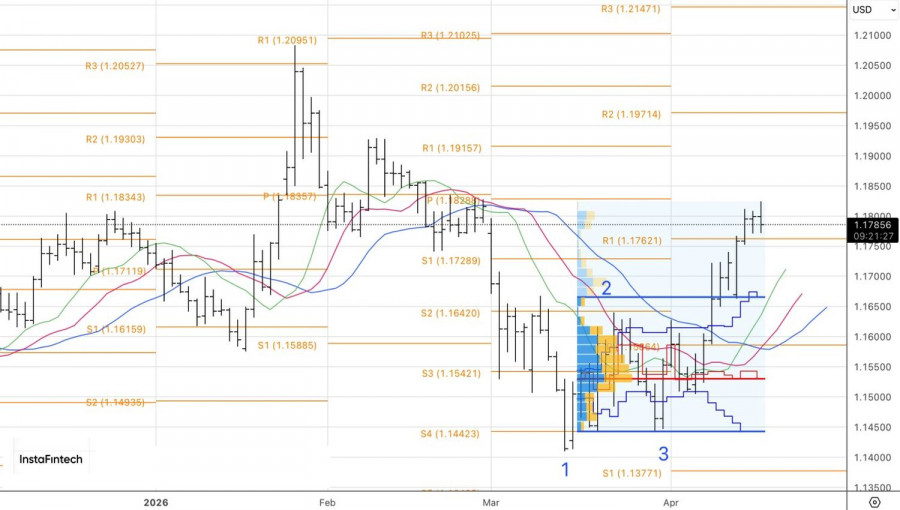
Technically, on the daily chart, EUR/USD experienced a failed attempt by the bulls to reclaim the internal bar by breaking its upper boundary. If the market doesn't go where it's expected to, it is more likely to move in the opposite direction. Thus, a successful breach of support at 1.1765 would be a reason for selling.

SZYBKIE LINKI




















 Skontaktuj się z ForexMart