Asijské akcie v pátek většinou posilovaly. Investoři na trzích pečlivě vyhlížejí nová data z amerického trhu práce, která mají být zveřejněna během dne a mohou výrazně ovlivnit vývoj globálních trhů. Očekává se, že tato data přinesou nové informace o síle americké ekonomiky a naznačí, zda trh práce stále drží tempo růstu navzdory rostoucí globální nejistotě.
V Japonsku hlavní index Nikkei 225 vzrostl o 0,5 % na 37 730,67 bodu. Výrazněji si polepšil jihokorejský Kospi, který posílil o 1,5 % na 2 812,05 bodu. Mírný růst zaznamenal také šanghajský index Composite, a to o 0,1 %. Naopak hongkongský Hang Seng odepsal 0,4 %, čímž se vzdálil od svého nedávného růstového trendu. Australský S&P/ASX 200 zůstal téměř beze změny a uzavřel na 8 536,40 bodu, zatímco indický Sensex si připsal 0,6 %.
Globální investory nadále zaměstnává vývoj americké ekonomiky, zejména pak zaměstnanost. Právě silný pracovní trh byl doposud jedním z hlavních pilířů růstu amerického hospodářství, ale začínají se objevovat první signály možného zpomalení. Wall Street očekává, že počet nově vytvořených pracovních míst v květnu klesne oproti dubnu. Znepokojení vyvolávají i čtvrteční údaje o žádostech o podporu v nezaměstnanosti, které překonaly očekávání a vyšplhaly na nejvyšší úroveň za osm měsíců, přestože zůstávají v historickém kontextu stále nízké.
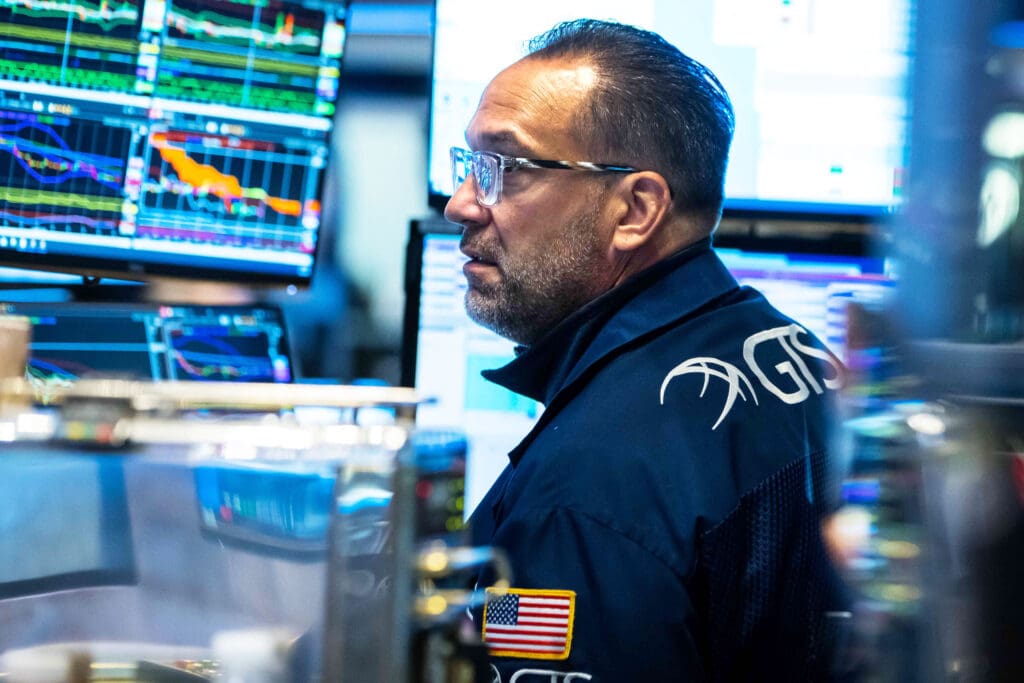
K obavám o trh práce přispěla také zpráva o plánovaném propouštění ve společnosti Procter & Gamble, která oznámila úmysl snížit počet zaměstnanců o až 7 000 během příštích dvou let. Akcie společnosti na tuto zprávu zareagovaly poklesem o 1,9 %. Ještě výraznější propad zaznamenala společnost Tesla, jejíž akcie oslabily o 14,3 % – jde o jednu z největších zátěží pro index S&P 500. Tesla ztrácí téměř 30 % své hodnoty od začátku roku, což je částečně připisováno napjatému vztahu Elona Muska s prezidentem Donaldem Trumpem, zejména v otázkách daňových a obchodních zákonů.
Americké indexy ve čtvrtek oslabily. S&P 500 klesl o 0,5 % na 5 939,30 bodu, což byl jeho první pokles po čtyřech dnech růstu. Dow Jones ztratil 0,3 % a uzavřel na 42 319,74 bodu, zatímco technologický Nasdaq se propadl o 0,8 % na 19 298,45 bodu. Přestože trh v posledních týdnech rostl díky nadějím na uvolnění obchodních napětí, nálada investorů zůstává kolísavá.
Zajímavým vývojem prošla i společnost Brown-Forman, známá výrobou whiskey značky Jack Daniel’s. Její akcie propadly o 17,9 %, což je nejhorší denní výsledek od jejího vstupu na burzu v roce 1972. Naopak mezi vítěze patřila databázová firma MongoDB, která posílila o 12,8 % po oznámení lepších hospodářských výsledků, než se čekalo. Velký debut zažil Circle Internet Group, vydavatel populární kryptoměny – jeho akcie v den vstupu na burzu vystřelily o neuvěřitelných 168,5 %.
Na devizových trzích americký dolar posílil vůči japonskému jenu ze 143,49 na 143,77, zatímco euro mírně oslabilo z 1,1448 USD na 1,1438 USD. Ceny ropy rovněž zaznamenaly pokles: americká lehká ropa WTI ztratila 21 centů a uzavřela na 63,16 USD za barel, mezinárodní benchmark Brent odepsal 18 centů na 65,16 USD.
Co se týče výnosů státních dluhopisů, výnosy z desetiletých amerických bondů se drží poblíž 4,40 %, mírně nad úrovní ze středečního večera. Tento vývoj reflektuje tržní očekávání, že by Federální rezervní systém mohl během letošního roku přikročit ke snížení sazeb, zejména pokud dojde k ochlazení trhu práce či zpomalení ekonomiky pod tlakem obchodních sporů a celních bariér.
Napětí mezi Spojenými státy a Čínou se znovu dostává do popředí. Prezident Trump oznámil, že měl „velmi dobrý telefonický rozhovor“ s čínským prezidentem Si Ťin-pchingem a naznačil, že jejich týmy se brzy setkají. To vzbuzuje opatrný optimismus, že by mohlo dojít k dohodě, která by zmírnila obchodní napětí. Trhy však na tato slova reagují rezervovaně, jelikož v Trumpově obchodní strategii chybí konzistentnost a předvídatelnost.
Závěrem lze říci, že páteční obchodování v Asii proběhlo v pozitivním duchu, ale celkový sentiment na globálních trzích zůstává opatrný. Klíčové budou data z amerického trhu práce, která ukážou, zda americká ekonomika dokáže udržet svůj růst i v prostředí obchodních nejistot a geopolitických tlaků.
Market participants are awaiting the resolution of several storylines, both geopolitical and macroeconomic. The further dynamics of events could tip the scales either in favor of the dollar or in the opposite direction.
The minutes from the January FOMC meeting, published on Wednesday, provided only short-term support to the US dollar, despite their unexpectedly "hawkish" tone. For the first time in a long while, FOMC members did not rule out the possibility of tightening monetary policy. Traders have become accustomed to the central bank considering only two options—maintaining a wait-and-see position and lowering interest rates. However, this time several committee members explicitly stated that rate hikes remain a possibility "if inflation remains consistently above the target level."
In other words, instead of the usual hint of further monetary policy easing, the minutes suggested the possibility of "two-way movement." The Federal Reserve may move in either direction, depending on incoming data. Meanwhile, many members of the committee agreed that the next round of rate cuts should depend on a "clear downward trend in inflation."
So why did the dollar receive only short-term support amidst such hawkish minutes? The EUR/USD pair tested the 17-figure but could not consolidate below the 1.1800 target. Moreover, on Thursday, it even managed to organize a short-term corrective rebound back to the 18-figure. What is behind this?
This uncertain price dynamic, in my opinion, is tied to CPI dynamics. Recall that the consumer price index slowed to 2.4% year-on-year in January, following a rise of 2.7% in the previous month. The core CPI also fell to 2.5%. This indicates that price pressure from the consumer sector has begun to ease.
The January CPI report was published after the January FOMC meeting, while the minutes reflected sentiments relevant at that time. The latest data on CPI growth alleviated concerns regarding the implementation of the most hawkish scenario (i.e., rate hikes), as inflation in January made a solid step towards the Fed's target level, not the other way around.
Nevertheless, this storyline is still unfolding. The intrigue will be resolved on Friday when the core PCE index is released in the US. As is known, this is a key inflation indicator closely monitored by the Fed. In December, it stood at 2.8%, and most analysts expect it to remain at that level in January. However, if, contrary to expectations, this index approaches the 3% target, the minutes from the January FOMC meeting will "take on a new hue," and the market will again talk about the prospects for rate hikes this year. Consequently, the dollar will experience heightened demand.
However, if the core PCE index slows to 2.7% (or below), the market will "remember" the downward dynamics of the CPI, consolidating the overall picture of slowing inflation. In that case, the Fed's hawkish threats would lose their relevance.
Another storyline is also developing—the geopolitical one. According to CBS News, the United States is prepared to strike Iran as early as February 21. Meanwhile, Axios, citing its sources, claims that the US military operation could last "several weeks or more," resembling a full-scale war rather than limited actions. The option of a joint military campaign by the US and Israel is also being considered.
However, all insiders agree that Trump has not yet made a final decision, given the enormous risks of further escalation. If the war in Iran drags on (which would inevitably lead to significant casualties among American soldiers), a political crisis may erupt in the US, not to mention other "side effects" such as a sharp rise in oil prices (due to the likely closure of the Strait of Hormuz) and destabilization of the entire Gulf region.
Geopolitical risks are very high, hence the world—including the financial world—stands in anticipation of further developments.
We must not forget that on Friday, data on US GDP growth for the fourth quarter (preliminary estimate) will also be published. According to forecasts, the US economy grew by only 2.8%, following 4.4% growth in the third quarter and 3.8% in the second.
All these "storylines" could resonate strongly with the EUR/USD pair. For instance, if the core PCE index slows down and the GDP growth report falls into the red zone (despite weak forecasts), the dollar will be under significant pressure, as dovish expectations regarding the Fed's future actions will rise again. But an alternative scenario is also possible where the aforementioned reports come out in the green zone, and Iran agrees to a deal with Washington. In that case, the greenback will become the beneficiary of the situation.
The intrigue will be resolved on Friday (at least regarding macroeconomic reports), while for today, it is advisable to take a wait-and-see position on the EUR/USD pair: the scales can tip either way.
LINKS RÁPIDOS



















 Contate-nos