The diplomatic standoff over the Strait of Hormuz has entered a decisive phase, with US officials expressing optimism about a potential reopening of the shipping route, while Tehran categorically denies direct talks with Washington, insisting it is only communicating with Oman.
The gap between American officials' optimism and Iran's stance raises questions about whether the blockade, in place since late February, can be lifted.
"There is a chance we have a deal today or tomorrow to open the strait and move towards a more normalized position in this conflict," Treasury Secretary Scott Bessent told CNBC on Tuesday.
Secretary of State Marco Rubio struck a more cautious tone, stating that there has been progress in negotiations, but no final outcome has been reached yet.
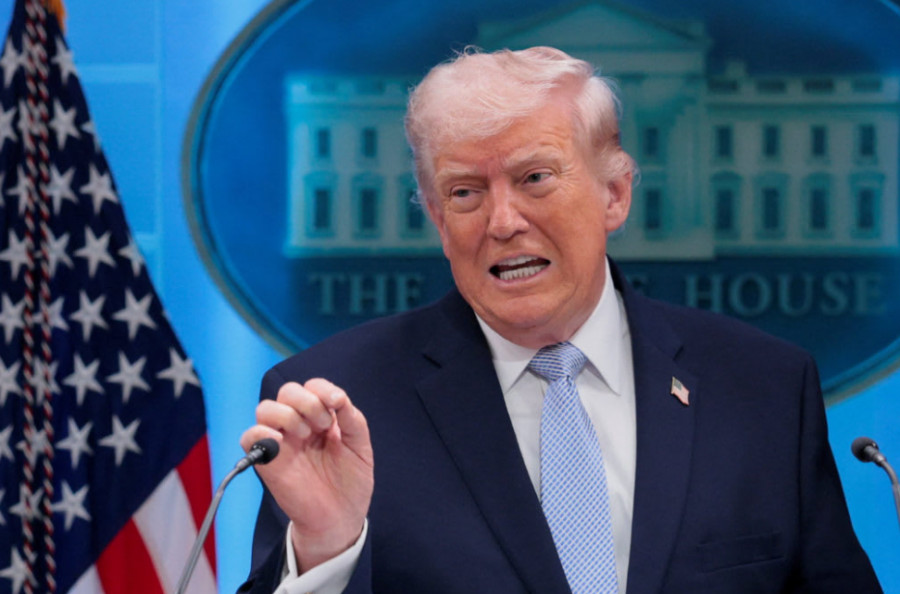
On Wednesday, US President Donald Trump warned in a Fox News interview that if the strait remains closed, Iran would face severe strikes, adding that it would open "very soon"—otherwise, consequences would follow.
Tehran, however, has consistently denied engaging in direct contacts with Washington. An Iranian Foreign Ministry spokesman stated that discussions are taking place exclusively with Oman and concern ensuring safe shipping routes, both inbound and outbound, while respecting sovereign rights. Qatar's Foreign Ministry characterized the negotiations as having reached a "very advanced stage," with draft proposals already circulating among mediators.
According to a framework reported by The New York Times, vessels entering the Gulf would follow a northern route along Iran's coast, while outbound ships would take a southern path closer to Omani waters.
Iran intends to levy "service fees," formally designated to cover environmental and security costs, with revenues split equally between Iran and Oman. The Guardian reports that US officials have backed the joint Iran-Oman management plan, intending to present it domestically as an "interim" measure.
Beyond shipping routes and fees, Tehran has put forward broader demands: the lifting of the US naval blockade, comprehensive sanctions relief, and recognition of its right to impose maritime tolls.
In this context, Marco Rubio warned of the risks of creating a dangerous precedent:
"If we create a precedent in the Middle East where a nation-state can decide to control an international waterway, charge a toll, and blow up your ships if you don't pay, we have created a very dangerous precedent that will repeat itself in other parts of the world, including this region."
Amid these statements and counter-statements, the prospect of an immediate reopening remains uncertain. The success of negotiations depends on how quickly details are finalized between Tehran, Oman, and the mediators, and on whether Washington can simultaneously demonstrate a willingness to compromise while preserving core geopolitical principles.
HIZLI BAĞLANTILAR
show error
Unable to load the requested language file: language/turkish/cookies_lang.php
date: 2026-09-29 10:05:23 IP: 172.18.0.1















 Bize Ulaşın