
Gold (XAU/USD) is struggling to break above the 100-day SMA as the US dollar gains strength.
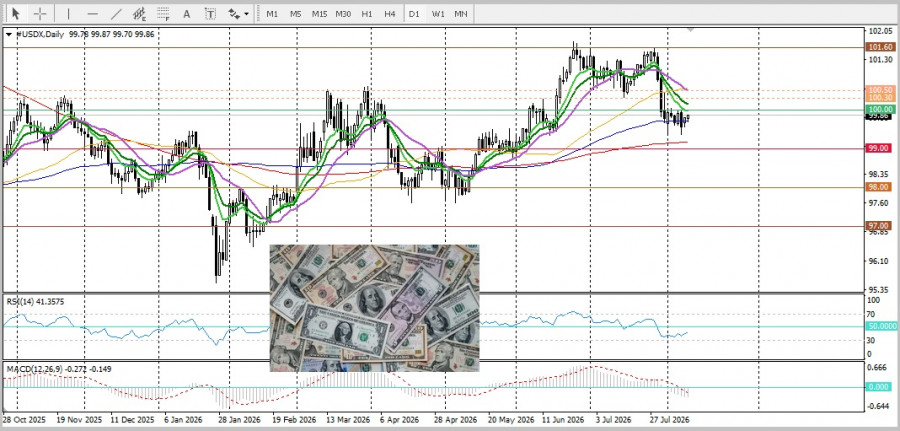
Despite the weak US nonfarm payrolls data released on Friday, traders continue to assess the possibility of a Federal Reserve interest-rate hike by the end of the year amid inflation risks associated with rising oil prices.
This is seen as the key reason driving capital away from the precious metal.
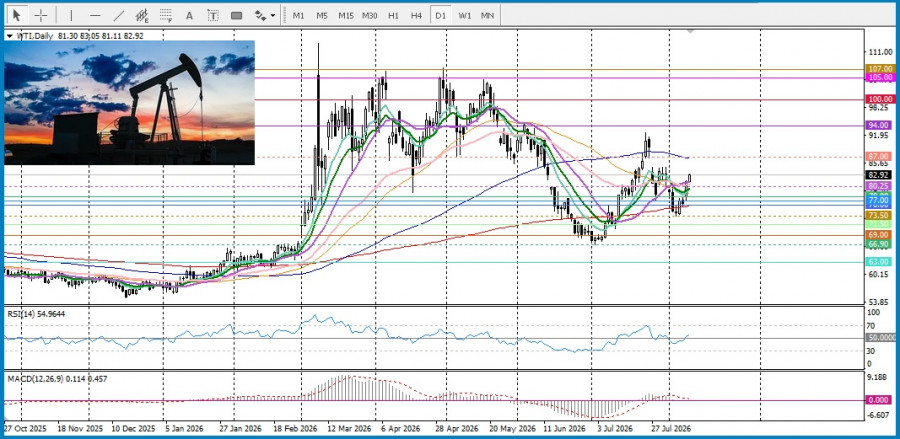
In light of recent developments in the Middle East, Iran has ruled out further negotiations with US President Donald Trump, saying it will wait until the end of his presidential term on January 20, 2029, before resuming dialogue. This has weakened hopes for the Strait of Hormuz to be reopened quickly. Moreover, traffic through the Bab el-Mandeb Strait remains disrupted due to a Saudi naval blockade carried out by the Iran-backed Houthis. These factors have triggered a sharp rise in oil prices, intensifying inflation concerns and creating the conditions for tighter monetary policy by the Fed.
The outlook remains favorable due to high US Treasury yields, which are expected to support the US dollar and put pressure on the non-yielding precious metal.
For the best trading opportunities, traders should wait for the release of the US Consumer Price Index and Producer Price Index on Wednesday and Thursday, respectively, to gain more information about the future course of Fed policy. These key data releases will have a significant impact on the dollar's short-term dynamics and create new momentum for gold prices.
In addition, further developments related to the Middle East crisis could continue to increase volatility in global financial markets, creating trading opportunities for XAU/USD.
From a technical perspective, consolidation above the 100-day SMA would push gold prices toward the important resistance at the 200-day SMA around $4,500. However, it is also worth noting that, despite the positive oscillators, the Relative Strength Index (RSI) is close to overbought territory, indicating a likely consolidation. The key support level is the 200-day EMA, below which the bulls will begin to lose strength.



















 আমাদের সাথে যোগাযোগ করুন