Akcie PVH Corp (NYSE:PVH), mateřské společnosti Tommy Hilfiger, zaznamenaly před otevřením trhu propad o 8,4 % a ve čtvrtek klesly na 74 USD, poté co společnost snížila prognózu upraveného zisku na akcii (EPS) za druhé čtvrtletí i celý fiskální rok.
PVH Corp nyní předpovídá, že její upravený EPS za 2. čtvrtletí se bude pohybovat mezi 1,85 a 2 USD. Podle údajů LSEG se jedná o pokles oproti předchozímu odhadu 2,08 USD.
Společnost navíc snížila svůj upravený EPS za celý rok na 10,75 až 11 USD. Jedná se o výrazný pokles oproti předchozímu rozmezí 12,40 až 12,75 USD.
Zac Coughlin, finanční ředitel PVH Corp, připsal snížený výhled aktuální makroekonomické situaci.
Uvedl: „Vzhledem k vysoce dynamickému a nejistému makroekonomickému prostředí… snižujeme náš výhled, aby odrážel tuto situaci a aktuální výkonnost podnikání.“
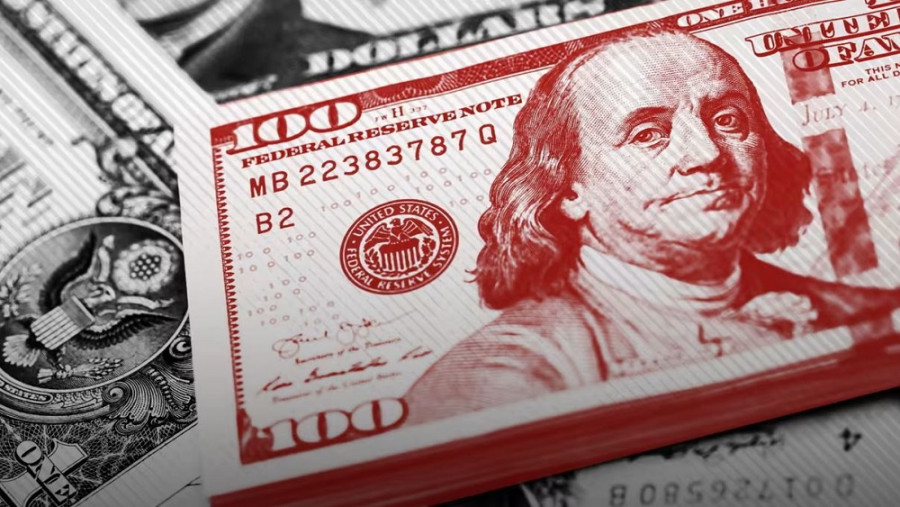
The euro-dollar pair is demonstrating a downward dynamic, moving towards the base of the 18 figure. Sellers of EUR/USD managed to breach the 1.1830 support level (the middle line of the Bollinger Bands indicator on the daily chart) amid disappointing ZEW data, heightened risk-off sentiment, and the "moderately hawkish" comments from Chicago Fed President Austan Goolsbee. All these fundamental factors have put pressure on the EUR/USD pair, allowing sellers to approach the boundaries of the 17 figure.
According to data released on Tuesday, the ZEW Institute's business sentiment index in Germany unexpectedly fell to 58.3 in February. Most analysts were confident that this indicator would show positive dynamics again and reach a new annual high of 65.0.
The current situation also saw the current situation index fall into the red zone, which has been negative for several years. Contrary to expectations of "growth" to -65.7 (from the previous value of -72.7), it landed at -65.9.
The aggregate ZEW sentiment index for the Eurozone had shown positive dynamics for the three preceding months; however, in February, it fell to 39.4 (down from 40.8 in January), contrary to expectations for growth to 45.2 (which would be a multi-year high).
What does this report indicate? Primarily, it shows that Germany's economy, the engine of the European economy, is not demonstrating a clear, confident growth trajectory. The recovery remains fragile and uneven. For example, the balance of expectations in industries such as chemicals, steel, and machinery has noticeably improved, while overall sentiment in the banking, IT, and insurance sectors has deteriorated.
Overall, the published ZEW indices indicate that market sentiment has "cooled" – German businesses are uncertain about a sustainable (this is the key word) economic upturn in the next 6-12 months. Furthermore, the decrease in the corresponding index in the Eurozone suggests that the worsening sentiment is not limited to Germany alone – this is a broader macroeconomic negative signal.
Additional pressure on the euro has also come from German inflation data. According to the final figures, the harmonized consumer price index in January remained in negative territory (-0.1%), fueling speculation that the European Central Bank might lower interest rates this year (given the slowdown in Eurozone CPI, both overall and core).
The dollar, for its part, is in higher demand today amid increasing risk-off sentiment. The focus is on the Geneva negotiations between U.S. and Iranian representatives. The second round of talks took place on Tuesday, with outcomes that are quite contradictory.
In public, Iran announced progress in the negotiations. Foreign Minister Abbas Araghchi limited himself to general phrases ("the atmosphere was more constructive this round"), while insiders from the Wall Street Journal provided some details of the dialogue. According to them, Iranian representatives allegedly agreed to temporarily halt uranium enrichment for three years and move some of the already enriched uranium stocks outside the country.
On the one hand, this is indeed progress, allowing both sides to move forward in negotiations on the nuclear deal. On the other hand, it remains unclear whether the temporary halt in uranium enrichment will satisfy the White House and President Trump, who have repeatedly demanded a complete cessation of Iran's nuclear program. Additionally, Washington has previously required Tehran to adjust not only its nuclear but also its missile program. However, neither Iranian representatives nor Wall Street Journal insiders mentioned the fate of this program. It remains unknown whether it was discussed during negotiations or was left out of the conversation.
All this indicates that the second round of the Geneva negotiations resulted in the parties agreeing to "continue negotiating." Such unclear results were interpreted unfavorably for risk assets but favorably for the safe dollar. This is especially the case against the backdrop of reports that the U.S. Armed Forces continue to increase the concentration of air and naval forces in the Middle East. Iran, in turn, announced a partial closure of the Strait of Hormuz, claiming it was for naval exercises. As is well known, this strait is the only passage for tankers transporting oil from the Middle East. Approximately 20 million barrels of "black gold" pass through the strait daily, about one-fifth of global oil production.
The comments from Chicago Fed President Austan Goolsbee also contributed to strengthening the dollar, as he expressed moderately hawkish views. On one hand, he acknowledged the possibility of further easing monetary policy this year, but he also expressed concern about inflation dynamics, stating that inflation in the services sector "has still not been tamed." He explained January's decrease in overall inflation as being due to base effects. This unusually tough tone from Goolsbee bolstered the dollar.
Thus, the established fundamental backdrop for the EUR/USD pair contributes to further price declines; however, the downward potential is limited by the mark of 1.1770 (the lower line of the Bollinger Bands indicator on the D1 timeframe). In this price area, it would be advisable to take profits and adopt a wait-and-see position.
RÁPIDOS ENLACES















 Contáctenos