
As Mark Zuckerberg doubles down on artificial intelligence, investors are tallying losses. Over two days, the Meta founder saw roughly $20 billion wiped from his net worth as markets reacted to talent wars in Silicon Valley.
Monday, September 28, marked a day of sharp skepticism from Wall Street. Meta shares plunged by more than 4%, costing Zuckerberg about $11 billion. Forbes now estimates his wealth at $246.7 billion, the first break below the psychologically important $250 billion mark in weeks. Over two trading days, he has lost nearly $20 billion.
What spooked the market? The concern boils down to a single stark question: will the massive AI investments ever pay off? The sell-off began Friday, September 25, after Goldman Sachs published a note that dented optimism. The bank questioned whether the industry can economically absorb its own appetite.
According to analysts' math, the hyperscalers need to generate roughly $300 billion in recurring annual AI-services revenue merely to break even on current infrastructure spending. To deliver meaningful profits, that figure would need to approach a staggering $1 trillion. For many investors, that calculus was a cold shower.
Meta's financial paradox: revenue up, cash burning
At the center of investor worry are Meta's cash-burn plans. The company targets capex of roughly $130–145 billion in 2026 (including finance leases), nearly double 2025's outlays.
The Q2 results illustrated the paradox. Revenue climbed a strong 28% to $60.8 billion. Yet spending has outpaced that growth: operating expenses surged by 55% to $42 billion, and operating income declined by 8% to $18.8 billion.
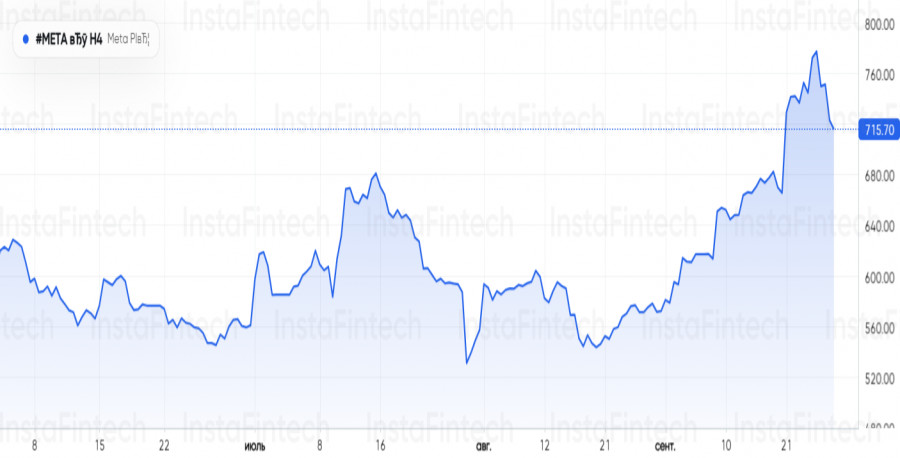
Most worrying is free cash flow. Heavy capex of $31.1 billion in Q2 compressed Meta's free cash flow to a tiny $784 million. Investors are understandably jittery: when will Zuckerberg's AI wager begin delivering real — not just promised — returns?
While Wall Street counts dollars, Zuckerberg is making aggressive talent plays to prove that the AI race is won by whoever assembles the best brains.
On Monday, Meta announced it has hired Chirantan "CJ" Desai, the former CEO of MongoDB. Desai will lead a new Meta Enterprise Platform division reporting directly to Zuckerberg, focusing on enterprise Muse, APIs, and developer tools. Zuckerberg called the initiative "the next key vector" for the business.
That hire punched a hole in a competitor. MongoDB shares plunged by 17% the same day. Desai's departure after less than a year as CEO shocked the market; interim leadership at MongoDB moved quickly to reassure investors and reaffirm guidance.
Bottom line: Zuckerberg is betting the house, turning Meta into an AI-infrastructure engine. But with Wall Street increasingly uneasy about the scale and timing of the spending, and competitors hemorrhaging senior talent, the central question remains: does Meta have the cash cushion to wait until AI truly starts paying the bills?

RÁPIDOS ENLACES



















 Contáctenos