Evropská komise navrhuje snížit minimální rizikové váhy pod tlakem odvětví a bývalého prezidenta ECB Maria Draghiho.
Evropská komise představila ambiciózní návrh na revizi pravidel pro sekuritizaci dluhů, jejichž cílem je zvýšit dostupnost kapitálu a podpořit financování ekonomiky EU. Tato pravidla, původně zavedená po finanční krizi z roku 2008, měla zajistit větší stabilitu finančního systému, ale zároveň omezila rozvoj trhu sekuritizace v Evropě. Komise nyní usiluje o snížení kapitálových požadavků pro banky, které drží sekuritizovaná aktiva, a omezit administrativní zátěž pro investory i emitenty. Tím chce obnovit funkčnost trhu, který se podle kritiků ve srovnání s USA příliš zúžil.
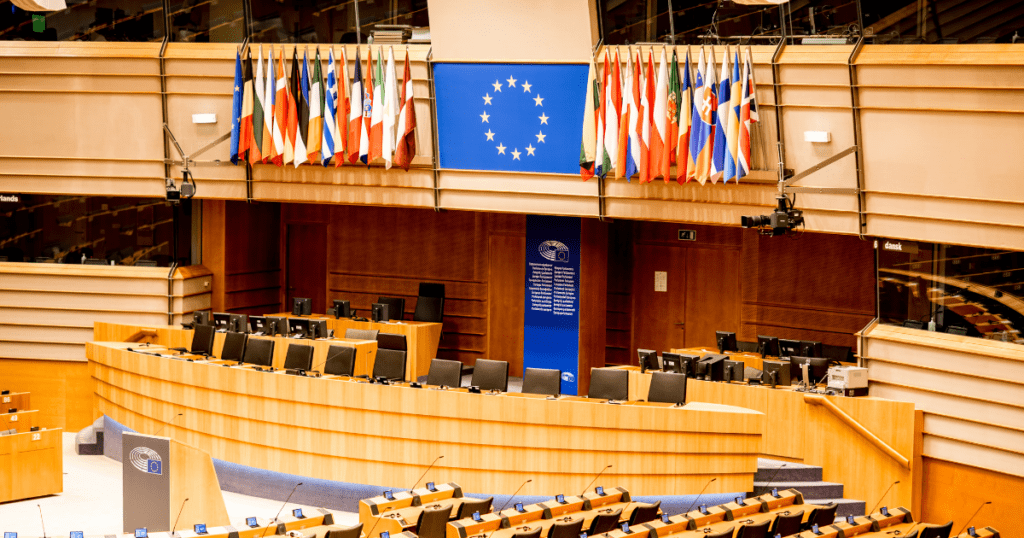
Nová opatření jsou součástí širšího plánu Bruselu na prohloubení kapitálových trhů EU, což je dlouhodobě vnímáno jako klíčové pro zvýšení konkurenceschopnosti evropského hospodářství. Politická vůle k revizi se zformovala po výzvách osobností, jako je Mario Draghi, a v návaznosti na mandát členských států oživit trh sekuritizace regulačními změnami. Trh, na němž se cenné papíry kryté úvěry prodávají investorům, by mohl v případě úspěchu přinést do ekonomiky stovky miliard eur nového kapitálu.
Klíčovou navrhovanou změnou je snížení rizikových vah – tedy množství kapitálu, který musí banky držet jako rezervu – u vysoce kvalitních tranší sekuritizovaných aktiv, které splňují tzv. STS kritéria (jednoduchá, transparentní a standardizovaná). Pro tyto tranše by minimální riziková váha klesla z 10 % na 5 %, zatímco u tranší mimo režim STS by se snížila ze současných 15 % na rozmezí 10–12 %.
Komise rovněž navrhuje úpravu vzorce „faktoru p“, který ovlivňuje výši kapitálových požadavků. Tento faktor byl podle kritiků nastaven příliš přísně a uměle zvyšoval náklady bank na sekuritizaci. Nově by měl být faktor p u STS seniorních tranší snížen z 0,5 na 0,3 a u nestandardizovaných seniorních tranší z 1,0 na 0,6. Podle Adama Farkase z Asociace pro finanční trhy v Evropě návrh „uznává nedostatky dosavadní citlivosti na riziko“, a může tak lépe odrážet reálná rizika těchto instrumentů.
Přestože mnozí v odvětví krok Komise vítají, návrhy vyvolaly obavy mezi ochránci finanční stability. Kritici tvrdí, že některé změny jdou pod úroveň basilejských standardů, které byly po krizi přijaty jako minimální globální norma. Julia Symon z neziskové organizace Finance Watch upozornila, že i stávající standardy byly kompromisem, a jakékoli další oslabení může podkopat důvěru v systém. Někteří úředníci EU však argumentují, že nové návrhy pouze zavádějí větší citlivost na skutečná rizika a zachovávají principy obezřetnosti.

Snížení regulatorní zátěže má také dopad na pravidla pro zveřejňování informací a hloubkovou kontrolu investorů. Komise chce zjednodušit výkaznictví emitentů a sladit ho s pokyny ECB. Změny by měly omezit náklady pro investory a přispět ke zvýšení likvidity trhu, zejména pokud jde o soukromé sekuritizace, které nejsou veřejně obchodovatelné.
Dlouhodobé stížnosti trhu na evropský režim sekuritizace poukazovaly na jeho nízkou atraktivitu v porovnání se Spojenými státy, kde sekuritizace hraje výraznější roli při financování. Před krizí z roku 2008 se evropský trh sekuritizace pohyboval na 87 % velikosti amerického trhu, ale dnes tento podíl podle PGIM klesl na pouhých 17 %. Podle Taggarta Davise z PGIM je však důležité nezapomenout na ponaučení z minulosti: „Musíme být přesvědčeni, že jsme se poučili, a zároveň se snažit o rozumný růst.“
Dnešní návrhy proto představují balancování mezi podporou růstu a ochranou finanční stability. Zatímco cílem je zefektivnit pravidla a přitáhnout globální kapitál zpět na evropský trh, schvalovací proces ještě potrvá. Návrhy musí získat podporu většiny členských států a souhlas Evropského parlamentu, což může trvat měsíce a být předmětem ostrých debat.
The EUR/USD currency pair traded relatively calmly on Tuesday, showing little reaction to the macroeconomic backdrop and alarming reports coming from the U.S. Starting with truly important news, one of the most well-known journalists and hosts in the U.S., Tucker Carlson, stated that Donald Trump may give the order not just for a ballistic or missile strike on Iran tonight, but he may press that infamous "red button." Shortly after, the New York Times also reported that a nuclear war might begin in the Middle East tonight. Meanwhile, in Iran, people have come out to protect their power plants and formed a human shield by linking hands. Some may find the reports of a nuclear attack fantastical, but let us remember that the last time the U.S. used nuclear weapons against an adversary was indeed true. And Trump can hardly be considered the wisest and most far-sighted president in U.S. history.
Nevertheless, the market is currently not panicking and is simply waiting. Movements over the past few days have been weak, with the EUR/USD pair trading in a sideways channel between 1.1450 and 1.1620, indicating no clear trend. The durable goods orders report in the U.S. was weaker than expected, but traders ignored it as well. Therefore, we can only wait for developments in the Middle East...
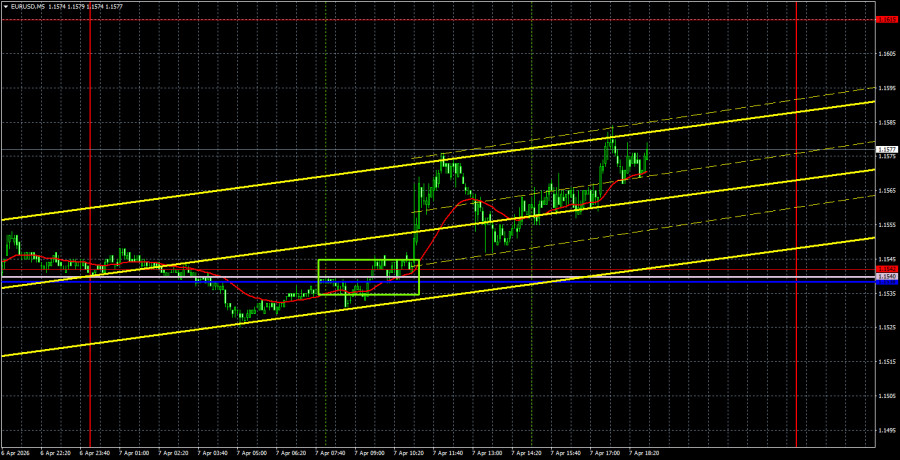
On the 5-minute time frame yesterday, one trading signal was generated. At the very beginning of the European trading session, the pair broke through the barrier of the Ichimoku indicator lines and the level of 1.1542, allowing traders to open long positions. Subsequently, the price only moved upward, totaling about 20-25 pips for the day.
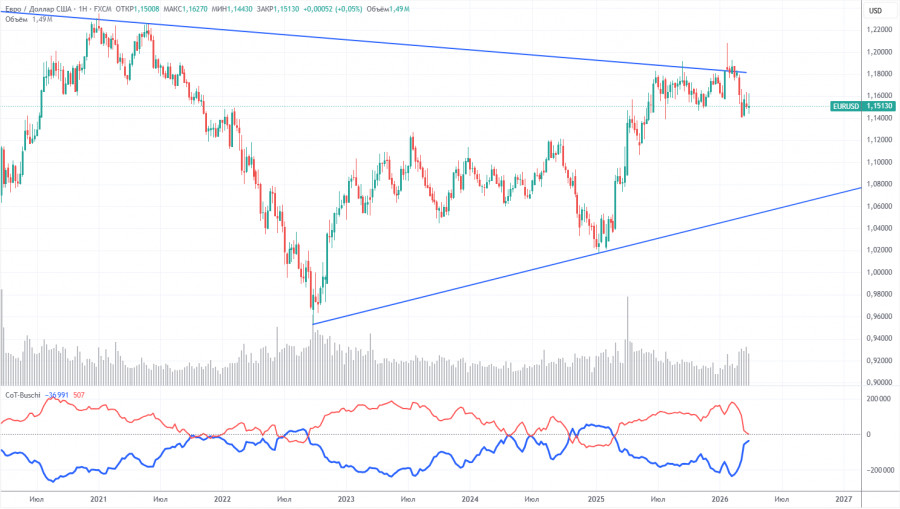
The latest COT report is dated March 31. The chart on the weekly time frame clearly shows that the net position of non-commercial traders remains "bullish," but is rapidly declining due to geopolitical events. Traders are mass-selling the euro in favor of the U.S. dollar. Trump's policy has not changed, but the dollar is once again acting as a "reserve currency," which ensures its high demand.
We still do not see any fundamental factors supporting a strengthening of the euro. Instead, there are ample factors for the weakening of the U.S. dollar. The war in the Middle East has temporarily made the dollar super attractive, but once this factor loses its validity, everything may revert to the way it was. In the long term, the euro could fall as low as 1.06 (the trend line), but the upward trend will still remain relevant.
The positioning of the red and blue lines of the indicator continues to indicate the maintenance of a bullish trend. During the last reporting week, the number of long positions in the "Non-commercial" group increased by 100, while the number of shorts increased by 8,900. Consequently, the net position decreased by 8,800 contracts over the week.
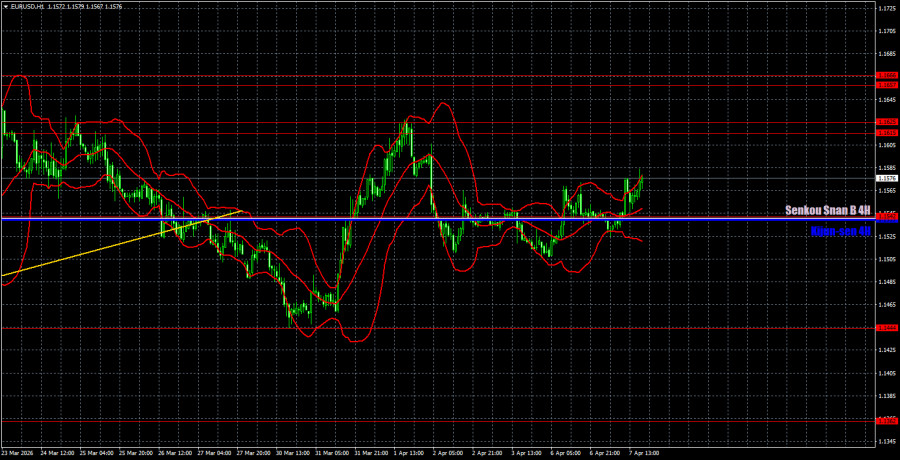
On the hourly time frame, the EUR/USD pair is trading in a sideways channel. A new escalation in the Middle East could again shift traders' trading priorities, so any rise should be approached with caution. In any case, the market is currently in a range. Trump's comments continue to provoke market reactions, often in opposite directions.
For April 8, we highlight the following levels for trading: 1.1234, 1.1274, 1.1362, 1.1426, 1.1542, 1.1615-1.1625, 1.1657-1.1666, 1.1750-1.1760, 1.1830-1.1837, as well as the Senkou Span B line (1.1542) and Kijun-sen (1.1540). The Ichimoku indicator lines may move throughout the day, which should be taken into account when determining trading signals. Don't forget to set a stop-loss order to breakeven if the price moves in the right direction by 15 pips. This will safeguard against potential losses if the signal turns out to be false.
On Wednesday, the U.S. will publish rather unimportant minutes of the last Federal Reserve meeting, while the Eurozone will release a seemingly unimportant report on retail sales. In the last three days, the market has ignored a significant number of important data from overseas and beyond, so Wednesday's events do not spark any interest. The market's attention will still be focused on geopolitical events in Iran.
On Wednesday, traders may consider short positions if the price consolidates below the Ichimoku indicator lines, targeting 1.1444. Long positions can be maintained with a target of 1.1615-1.1625, as the price has settled above the 1.1536-1.1542 area.
RÁPIDOS ENLACES
















 Contáctenos