Ceny zlata se ve středečním asijském obchodování držely bez výrazných změn, když investoři vyčkávali na důležité události, které mohou ovlivnit globální ekonomické prostředí i náladu na trzích. Klíčovým faktorem bylo nadcházející rozhodnutí Federálního rezervního systému (Fed) o úrokových sazbách a blížící se termín 1. srpna, kdy může americký prezident Donald Trump zavést nová cla. V této atmosféře se investoři snažili chránit svá portfolia a zároveň zvažovali, zda je zlato stále atraktivní jako bezpečné útočiště.
Spotová cena zlata klesla o 0,1 % na 3 323,66 USD za unci, zatímco futures na zlato ztratily stejný podíl a obchodovaly se za 3 378,62 USD za unci. Přestože v předchozí seanci zlato mírně rostlo díky obnovené nejistotě ohledně obchodních vztahů, celkový trend posledních týdnů ukazuje spíše na oslabování. Důvodem je zlepšení vyhlídek na dohodu mezi USA a Evropskou unií, což zmírnilo obavy z obchodní války a podpořilo růst dolaru, který je hlavní protiváhou ceny zlata.
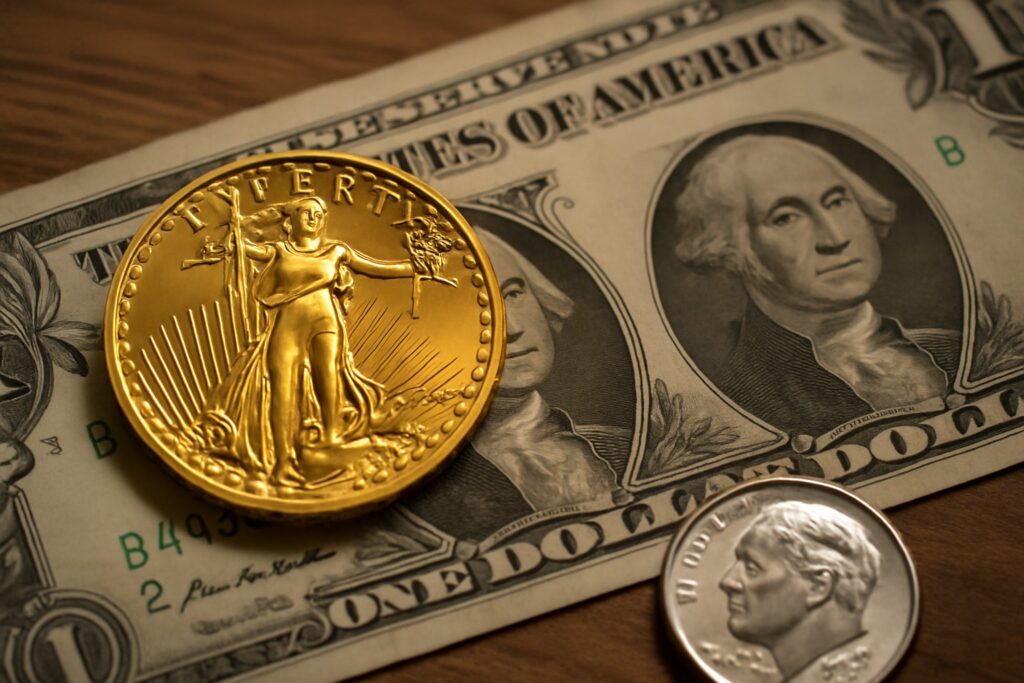
Obchodní pokrok oslabuje zájem o bezpečná aktiva
Zlato je typicky vnímáno jako bezpečný přístav v obdobích geopolitické a ekonomické nejistoty. Pokrok v obchodních jednáních USA s Evropskou unií, který o víkendu vyústil v rámcovou dohodu o snížených clech ve výši 15 % na většinu evropského exportu, však ochotu investorů vyhledávat bezpečná aktiva omezil. Tento vývoj navíc podpořil růst amerického dolaru, což dále snižuje atraktivitu zlata pro investory, kteří operují v jiných měnách.
Index amerického dolaru tak zůstává silný po předchozím výrazném růstu. Silnější dolar nejen že snižuje poptávku po zlatě, ale zároveň naznačuje vyšší důvěru v americkou ekonomiku, což může vést k přesunu kapitálu z komodit do jiných tříd aktiv. Analytici navíc upozorňují, že obchodní dohody, které jsou založené na clech, bývají příznivé právě pro dolar, což vytváří další tlak na cenu zlata.
Zlato je tedy aktuálně v pasti dvou protichůdných sil – na jedné straně stále přítomná nejistota kolem obchodních vztahů, zejména kvůli Trumpovu termínu pro zavedení nových cel 1. srpna, a na straně druhé postupný pokrok v diplomatických jednáních a posilující dolar. Tato rovnováha zatím drží cenu zlata na stabilní úrovni bez větších výkyvů.
Fed rozhodne o úrokových sazbách
Zásadní událostí dne bude závěr dvoudenního zasedání Fedu, na kterém se rozhodne o nastavení měnové politiky. Očekává se, že americká centrální banka ponechá úrokové sazby v rozmezí 4,25–4,50 %, investoři však budou bedlivě sledovat doprovodný komentář. Důležitější než samotné rozhodnutí totiž může být náznak dalšího vývoje – část trhu stále očekává možnost snížení sazeb během září, zejména pokud by došlo k oslabení dat o inflaci a zaměstnanosti.
Kromě Fedu čekají investory i další klíčové ekonomické statistiky. V následujících dnech bude zveřejněna zpráva o inflaci PCE (osobní spotřebitelské výdaje) a měsíční data z trhu práce. Obě zprávy mají potenciál výrazně ovlivnit očekávání trhu ohledně budoucích kroků Fedu a tím i vývoj cen zlata.
Trhy s kovy pod tlakem, měď sleduje Chile
Vedle zlata oslabovaly také ostatní kovy. Futures na platinu ztratily 0,3 % a obchodovaly se na 1 415,05 USD za unci. Stříbro odepsalo 0,4 % na 38,15 USD za unci. Výraznější pokles však zaznamenala měď. Referenční futures na měď na Londýnské burze kovů se snížily o 0,3 % na 9 781,45 USD za tunu, zatímco americké futures klesly o 0,5 % na 5,64 USD za libru.

Ceny mědi tento týden oslabují kvůli obavám, že plánovaná americká cla zasáhnou i tuto klíčovou průmyslovou surovinu. Chilský ministr financí mezitím oznámil, že jeho země bude usilovat o výjimku z těchto cel. Chile jakožto největší světový producent mědi tak může sehrát významnou roli v tom, zda tlak na ceny této suroviny přetrvá, nebo dojde k jejich stabilizaci.
Závěr: Vyčkávání, nejistota a přetahovaná mezi dolarem a zlatem
Současný vývoj na trhu se zlatem potvrzuje, že cena této komodity je ovlivňována nejen inflačními očekáváními nebo sazbami centrálních bank, ale i geopolitickým napětím a vývojem kurzu dolaru. Investoři proto aktuálně zaujímají vyčkávací postoj, dokud nebudou známa jasnější data a rozhodnutí.
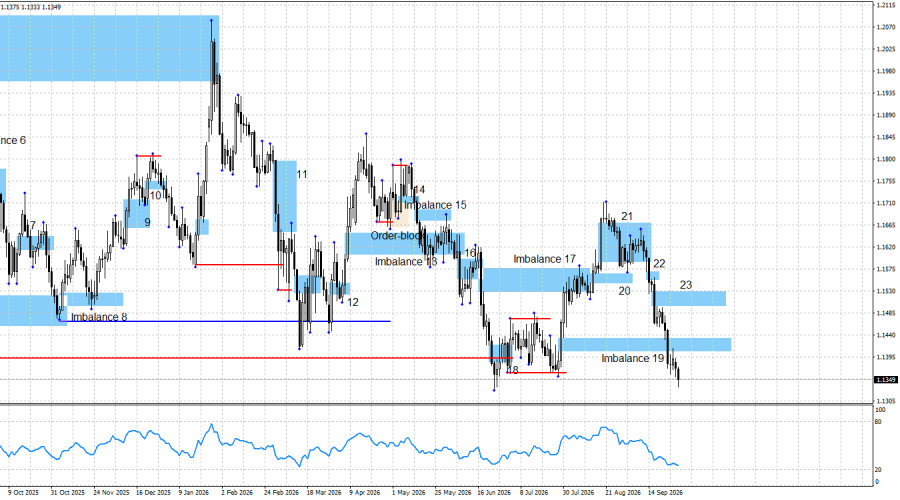
The EUR/USD pair has continued to decline for fifteen consecutive days, apart from a few brief pauses. During this time, the European currency has lost 310 points. The European currency's downward trend began three weeks ago as part of the market's preparation for an FOMC key interest rate hike. Since then, the market has continued to buy the dollar based on the Fed's hawkish stance on monetary policy, which is regularly confirmed by FOMC members. Interestingly, many Fed officials openly state that further monetary policy tightening is necessary, but they have not provided specific guidance on its extent. At the same time, the latest Fed projections indicated that another 0.25% rate hike should be expected. Has the dollar appreciated too much for two rate hikes? The dollar is currently rising as if the Fed had shifted from an absolutely neutral stance to an ultra-hawkish one, and as if no one in the market could have imagined that such a scenario was possible. But in reality, monetary policy easing could begin as early as 2027, since, according to statements from Fed policymakers themselves, the impact of high oil prices will be limited in duration. The same applies to the impact of Donald Trump's trade tariffs.
Nothing can currently stop the euro's decline. Tighter ECB policy, positive economic data in the European Union, and the technical picture, including bullish patterns, have all failed to halt the downward move. Imbalance 19 has been invalidated, so the European currency now has every chance of falling below the psychological level of $1.10. And bullish imbalance 19 has now not simply been invalidated; it has turned into a bearish inverted imbalance and already generated a new sell signal on Friday. The only factor supporting the bulls is the proximity of the last two swing lows, from which liquidity could be swept, potentially triggering a bullish advance.
Last week, the FOMC committee signaled its willingness to continue tightening policy, which proved sufficient for the bears to continue their large-scale advance. Even after the Fed's monetary policy tightening in September and a possible tightening in October or December, I do not see what other reasons could cause traders to continue buying the U.S. currency. The dollar has indeed shown its strength over the past few weeks, but what factors were supporting it during this period? FOMC monetary policy tightening and nothing else?
Overall, in my view, the information background continues to favor the bulls. Despite the Fed's more hawkish monetary policy stance, this is not the only factor on which exchange rates are based. I would like to remind you that U.S. bond yields are hitting record highs, placing enormous pressure on the budget; the U.S. economy has been slowing in recent quarters; Donald Trump resumed a stream of trade and non-trade grievances against many countries around the world in 2026; and the U.S. stock market continues to raise serious concerns due to uncontrolled credit-financed investments in technology companies involved in AI development.
The current technical picture points to the continuation of bearish momentum. Despite the highly contradictory nature of the price movement in recent weeks, traders now have at least two zones of interest for short trades. The bulls can only hope for the July 28 and June 24 lows, from which liquidity could be swept.
The economic background on Tuesday was weak and did not determine traders' sentiment, as they continued selling EUR/USD from the very start of the day. Thus, the JOLTS report is unlikely to change anything.
There are still a huge number of reasons for the bulls to attack in 2026. Structurally and globally, Trump's policies, which led to a significant decline in the dollar last year, have not changed. At present, I do not see any significant factors supporting the U.S. currency despite the FOMC's hawkish stance. Geopolitical factors, which supported demand for the U.S. currency for most of the first half of 2026, are no longer doing so.
News calendar for the United States and the European Union:
On September 30, the economic events calendar contains six entries, among which I cannot single out any particular one. They are all approximately equal in importance. The economic background may influence market sentiment throughout Wednesday.
EUR/USD forecast and trading advice:
In my view, the pair remains in the process of forming a bullish trend that has paused for an entire year. The information background changed sharply in favor of the bears seven months ago, but the trend itself cannot be considered canceled or completed. In the long term, I would say that the pair is in a range. A range does not invalidate the broader bullish trend. Thus, the bulls may resume their advance in 2026, but their only remaining opportunities are the 1.1354 and 1.1325 lows, from which liquidity could be swept. The bears have received a new sell signal in imbalance 19. In my view, the current decline is dangerous for traders because it does not have clear and sufficient grounds. The pair could easily fall below the $1.10 level, but the justification for such a decline is too contradictory.




















 コンタクトする